
Fuente oficial: https://www.gob.mx/ift
Here’s an SEO-optimized article on the expansion of school connectivity, formatted as requested:
«`html
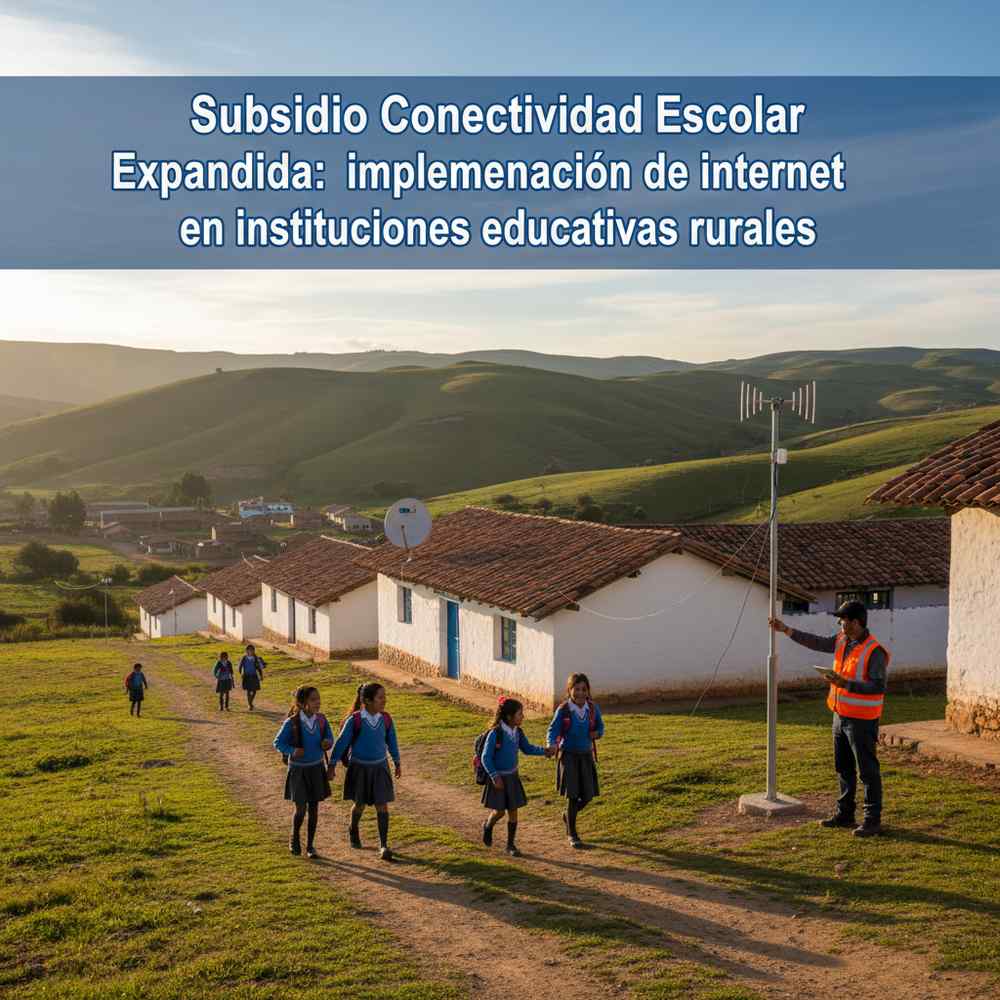
Subsidio Conectividad Escolar Expandida: Implementing Internet in Rural Educational Institutions 🏫
The digital divide profoundly affects rural schools, limiting access to educational resources and opportunities. The **Expanded School Connectivity Subsidy** aims to bridge this gap. This article delves into the intricacies of this initiative, exploring its goals, implementation strategies, benefits, and challenges. We’ll unpack how this subsidy strives to equip rural educational institutions with reliable internet access, transforming the learning landscape for students and educators alike. Let’s dive in!
What is the Expanded School Connectivity Subsidy? 🤔
The Expanded School Connectivity Subsidy is a government program designed to **provide financial assistance to rural schools** for the implementation and maintenance of internet connectivity. It recognizes that access to the internet is no longer a luxury, but a necessity for quality education. Consequently, the subsidy aims to level the playing field, ensuring that students in rural areas have the same opportunities as their urban counterparts. The program covers expenses related to **infrastructure, equipment, and internet service provision**.
Goals of the Subsidy 🎯
The Expanded School Connectivity Subsidy has several key goals:
- Reduce the Digital Divide: The primary goal is to bridge the gap in access to technology and internet connectivity between rural and urban schools.
- Improve Educational Outcomes: By providing access to online resources, the subsidy seeks to improve the quality of education and student achievement in rural areas.
- Enhance Teacher Development: Internet access enables teachers to access professional development resources and collaborate with educators from around the world.
- Promote Digital Literacy: The subsidy fosters digital literacy among students and teachers, equipping them with essential skills for the 21st century.
- Boost Community Development: Connected schools can serve as community hubs, providing access to information and resources for the entire community.
Implementation Strategies ⚙️
The implementation of the Expanded School Connectivity Subsidy typically involves several steps:
- Application Process: Rural schools apply for the subsidy, providing information about their current connectivity status, proposed infrastructure upgrades, and anticipated impact.
- Needs Assessment: A thorough assessment is conducted to determine the specific connectivity needs of each school, considering factors such as student population, geographic location, and existing infrastructure.
- Infrastructure Development: The subsidy funds the installation of necessary infrastructure, such as fiber optic cables, wireless networks, and computer equipment. This often involves partnerships with telecommunications companies.
- Service Provision: The subsidy also covers the cost of ongoing internet service, ensuring that schools have reliable and affordable access.
- Training and Support: Training programs are provided to teachers and staff to help them effectively integrate technology into their teaching practices. Ongoing technical support is also essential.
Benefits of Internet Connectivity in Rural Schools ➕
The benefits of providing internet connectivity to rural schools are numerous and far-reaching:
- Access to Online Resources: Students can access a vast array of educational resources, including online libraries, digital textbooks, and interactive learning platforms. 📖
- Improved Learning Outcomes: Studies have shown that internet access can lead to improved student performance in various subjects. 📈
- Enhanced Teacher Development: Teachers can access online professional development courses, webinars, and other resources to improve their teaching skills. 👩🏫
- Increased Student Engagement: Interactive learning tools and multimedia content can make learning more engaging and enjoyable for students. 🎮
- Preparation for the Future: Developing digital literacy skills prepares students for success in higher education and the workforce. 💻
- Reduced Isolation: Internet connectivity connects rural schools to the wider world, reducing feelings of isolation and promoting collaboration. 🤝
Challenges and Obstacles 🚧
Despite its potential, the implementation of the Expanded School Connectivity Subsidy faces several challenges:
- Infrastructure Limitations: Rural areas often lack the necessary infrastructure to support high-speed internet access. This can be a major barrier to implementation. 📡
- High Costs: The cost of building and maintaining internet infrastructure in rural areas can be prohibitively high. 💰
- Technical Expertise: Rural schools may lack the technical expertise needed to manage and maintain internet networks. 👨💻
- Sustainability: Ensuring the long-term sustainability of connectivity projects requires careful planning and ongoing funding. ♻️
- Digital Literacy Gaps: Addressing digital literacy gaps among teachers and students is crucial for maximizing the benefits of internet access. 📚
Overcoming the Challenges 💪
To overcome these challenges, several strategies can be employed:
- Public-Private Partnerships: Collaboration between government agencies, telecommunications companies, and community organizations can leverage resources and expertise.
- Innovative Technologies: Exploring innovative technologies such as satellite internet and wireless mesh networks can provide cost-effective solutions for rural connectivity.
- Capacity Building: Investing in training programs for teachers and technical staff can enhance their ability to manage and maintain internet networks.
- Community Engagement: Engaging the community in the planning and implementation process can foster a sense of ownership and ensure the long-term sustainability of projects.
- Flexible Funding Models: Developing flexible funding models that address the unique needs of rural schools can improve the effectiveness of the subsidy.
The Future of School Connectivity 🚀
The Expanded School Connectivity Subsidy represents a significant step towards bridging the digital divide in education. **Continued investment and innovation** are essential to ensure that all students, regardless of their geographic location, have access to the opportunities afforded by the internet. As technology continues to evolve, it’s vital to adapt and refine strategies to meet the changing needs of rural schools. Furthermore, **prioritizing digital equity** will empower future generations and create a more inclusive and equitable society. This includes regularly reviewing and updating policies, infrastructure, and training programs.
Ultimately, the Expanded School Connectivity Subsidy is about more than just providing internet access; it’s about empowering students, strengthening communities, and building a brighter future. By addressing the digital divide, we can unlock the potential of rural schools and ensure that all students have the opportunity to succeed.
«`
Si deseas más información visita el sitio oficial: aquí.